Ljudi u nekim poznim godinama teško mogu da promene sami sebe. Ja još uvek možda i mogu
Za slobodu mišljenja obmotaj glavu limenom folijom i samo udri Informer, Pink, Vučićevića, Borojevića, Žeksa, Velju Abramovića...
SHARE fondacija i studentski pokret
Zaključano
Zakačeno
Citat: Shadowed ↗
@p2699520 Pravo na slobodu kretanja koje je svim gradjanima Srbije dato ustavom samo govori da imas pravo da se kreces i nastanjujes unutar Srbije, da imas pravo da iz nje izadjes i vratis se. Pravo na slobodu kretanja ne znaci da imas pravo da tamo gde si naumio stignes kuda god hoces i na koji god hoces nacin.
Da te neko vezao za drvo, mogao bi se zaliti da ti je ugrozena sloboda kretanja. To sto nisi mogao da prodjes bas autom kroz bas tu raskrisnicu nije ugrozavanje slobode kretanja.
1. Zakon o javnom okupljanju: Ovaj zakon propisuje da se okupljanje mora unapred prijaviti policiji (najkasnije 5 dana pre početka). Takođe, član 8. izričito navodi da se javno okupljanje ne može održati na mestima gde se zbog mesta, vremena ili trajanja okupljanja ugrožava bezbednost ljudi i imovine, zdravlje, ili se remeti saobraćaj koji se ne može preusmeriti.
2. Zakon o bezbednosti saobraćaja na putevima: Izričito zabranjuje neovlašćeno postavljanje prepreka na putu, napuštanje vozila na kolovozu ili namerno zaustavljanje saobraćaja na način koji ugrožava bezbednost ili onemogućava normalan tok saobraćaja.
Dajte ovamo VAR, da vidimo jesu li demonstranti kršili pravila! I... poništavamo izbore, SNS ostaje na vlasti!
UNITED STATES OF AMERICA (USA)
In the US, while the First Amendment protects the right to peaceably assemble, it does not protect blocking highways. Since 2020, dozens of US states have passed specific "anti-blockade" laws.
• Key Law & Clause: State Criminal Codes (e.g., Florida Statute 784.071 / Texas Penal Code Section 42.03 - "Obstructing a Highway or Other Passageway").
• What it says: A person commits an offense if, without legal privilege or authority, he intentionally, knowingly, or recklessly obstructs a highway, street, sidewalk, railway, waterway, elevator, aisle, hallway, entrance, or exit to which the public or a substantial group has access.
• The Penalty: In many states (like Texas and Florida), recent laws upgraded this from a misdemeanor to a felony charge if it blocks emergency vehicles, carrying penalties of up to 2 years or more in state prison.
• Key Law & Clause: Federal Law - 18 U.S. Code § 1507 ("Picketing or parading") and Civil RICO Act (Racketeer Influenced and Corrupt Organizations Act).
• What it says: Federal law strictly prohibits obstructing commerce or interfering with federal highways.
• How they would handle a 2-year blockade: In the US, a 2-year blockade would be met with overwhelming force. Police forces (including State Troopers and National Guard if necessary) would clear the roads using riot control measures within hours. Organizers would face Civil RICO lawsuits filed by affected businesses and city governments, meaning they would be sued for millions of dollars in damages for lost commerce. Activists would face felony charges, permanent criminal records, and massive bail amounts that would make long-term campaigns impossible.
Summary Argument to Use:
"In the West, the 'Right to Protest' is legally separated from the 'Right to Disrupt.' Western legal systems use pre-emptive arrests, preventative detention, felony charges, and anti-racketeering laws to ensure that no group can paralyze public infrastructure. A 2-year blockade campaign in London, Berlin, or New York would not be tolerated for a single month—the organizers would already be serving multiple years in a federal or state prison, and their organizations would be legally dismantled as criminal enterprises."
GERMANY (DEUTSCHLAND)
Germany uses a combination of criminal law, traffic safety law, and state-level policing acts to shut down blockades swiftly.
• Key Law & Clause: - StGB (German Criminal Code), Section 240 ("Nötigung" - Coercion). • What it says: Anyone who unlawfully forces a person to do, tolerate, or omit an act by force or threat of serious harm commits coercion. German courts (including the Federal Constitutional Court) have ruled that blocking a road and using vehicles/bodies as a physical barrier to trap drivers constitutes "force" (Gewalt) and is criminal coercion. • The Penalty: Up to 3 years in prison or a fine (up to 5 years in aggravated cases).
• Key Law & Clause: StGB, Section 315b ("Dangerous interference with rail, ship and air traffic and road traffic"). • What it says: Criminalizes destroying, damaging, or altering traffic facilities, or creating obstacles that jeopardize the safety of road traffic. • The Penalty: Up to 5 years in prison, and if done intentionally to cause harm, up to 10 years.
• Key Law & Clause: StGB, Section 129 ("Forming criminal organizations"). • What it says: Applies to groups whose aims or activities are directed at committing offenses that carry a maximum prison sentence of at least two years. • The Penalty: Up to 5 years in prison for members and organizers.
• How they would handle a 2-year blockade: German prosecutors have already applied Section 129 (Criminal Organization) against climate blockade groups (like Letzte Generation). This allows the state to tap phones, raid homes, and freeze bank accounts. If blockades persisted, the state would use "Unterbindungsgewahrsam" (Preventative Detention) under state police laws (e.g., Polizeiaufgabengesetz - PAG in Bavaria), allowing police to lock up activists for up to 30 days without a trial just to prevent them from going to a protest site. A 2-year attempt would result in consecutive jail terms and total financial liquidation through asset forfeiture.
UNITED KINGDOM (ENGLAND)
Under the Public Order Act 2023 and the Police, Crime, Sentencing and Courts Act 2022, the UK drastically tightened its laws specifically to deal with infrastructure blockades.
• Key Law & Clause: Public Order Act 2023, Section 1 ("Offence of locking on") and Section 6 ("Interference with key national infrastructure"). • What it says: It is a criminal offence to interfere with the use or operation of key national infrastructure, which explicitly includes the strategic road network (highways and major roads). • The Penalty: Under Section 6, the maximum penalty is up to 12 months in prison, an unlimited fine, or both.
• Key Law & Clause: Police, Crime, Sentencing and Courts Act 2022, Section 78 ("Statutory offence of public nuisance"). • What it says: This replaced the old common law offence. It criminalizes any act that intentionally or recklessly causes serious distress, serious annoyance, serious inconvenience or serious loss of amenity to the public, including obstructing the public in the exercise of their rights. • The Penalty: The maximum penalty is up to 10 years in prison.
• How they would handle a 2-year blockade: UK police would exercise powers of "Pre-emptive Arrest" (Section 2 of the Public Order Act 2023). Police do not wait for the road to be blocked; if they have reasonable grounds to suspect an individual intends to cause a disruption, they arrest them immediately. Furthermore, UK courts have recently handed down unprecedented 4 to 5-year prison sentences to organizers of road blockades under the charge of conspiracy to cause a public nuisance. A 2-year campaign would be treated as a major organized criminal enterprise.
Ti to hoces da primenjujes zakone SAD ili UK na ljude u Srbiji?
Citat: p2699520 ↗
Dakle, ako sam dobro shvatio, posle ograničavanja slobode kretanja, sada bi da ograničite i slobodu mišljenja. Da li je to licemerje ili slučajnost?
Hoće da nam dovede obojenu revoluciju! Da nam zemlju vode Amerikanci, Nemci i Englezi.
Inace, posto je ovo forum politika na kojem je Gojko najavio da ce biti blaza moderacija, ostavio sam ovu gomilu offtopic-a.
To ne znaci da nema moderacije i da cu pustiti offtopic unedogled i vec sam skrenuo paznju na njega.
Tema je SHARE fondacija i navodno finansiranje studentskog pokreta preko nje.
Drzite se teme ili ce krenuti moderacija. Vazi za sve.
To ne znaci da nema moderacije i da cu pustiti offtopic unedogled i vec sam skrenuo paznju na njega.
Tema je SHARE fondacija i navodno finansiranje studentskog pokreta preko nje.
Drzite se teme ili ce krenuti moderacija. Vazi za sve.
Citat:
Hoće da nam dovede obojenu revoluciju! Da nam zemlju vode Amerikanci, Nemci i Englezi.
Za to ne mora mnogo da se trudi. Navedeni su nam vodili zemlju poslednjih dvadesetak godina. Da li će tako biti i dalje, videćemo uskoro.
Potpis
Kada budemo vešali kapitaliste oni će nam prodati uže koje ćemo koristiti za vešanje.
Josif Visarionovič Džugašvili
Citat: Shadowed ↗
Citat: p2699520 ↗
Dakle, ako sam dobro shvatio, posle ograničavanja slobode kretanja, sada bi da ograničite i slobodu mišljenja. Da li je to licemerje ili slučajnost?
Da li sam pravilno shvatio?
Citat: lobera ↗
Hoće da nam dovede obojenu revoluciju! Da nam zemlju vode Amerikanci, Nemci i Englezi.
Uporno miniraš sopstvenu temu. Da li ti je cilj zaključavanje teme kako bi posle kukao kako si blokiran?
Bili su ubeđeni da će vladati bar još 10 godina, već su pravili planove Srbija 2035 i slično. Kad ono tamo međutim
U opšte je ne miniran. Evo, reci mi ti, koji mi najviše repliciraš, koja je razlika između vaših blokada i sledećeg. Pažljivo čitaj.
Kada su u Engleskoj i Nemačkoj blokade ulične infrastrukture doživele vrhunac (pre nego što su sudovi počeli da šalju organizatore u zatvor), javnost je zahtevala odgovor na pitanje: „Od čega ovi ljudi žive i ko plaća njihove advokate, kaznu i opremu?“
Istraživački novinari i zvanični izveštaji o transparentnosti su otkrili sledeće ključne izvore finansiranja:
• Strani fondovi iz bogatih zemalja: Glavni finansijer grupa kao što su Just Stop Oil (Velika Britanija) i Letzte Generation (Nemačka) bio je Climate Emergency Fund (CEF), sa sedištem u Sjedinjenim Američkim Državama.
• Milioneri i naslednici velikih kompanija: Paradoksalno, jedan od najvećih donatora ovog američkog fonda je Ajlin Geti (Aileen Getty), unuka naftnog tajkuna Žana Pola Getija, čija je porodica izgradila imperiju na nafti, kao i poznati holivudski reditelj Adam Mekej.
• Direktne isplate „aktivistima“: Nemački mediji su otkrili da je grupa Letzte Generation koristila ovaj novac da svojim jezgrenim aktivistima isplaćuje redovne mesečne plate (do 1.200 evra) pod plaštom ugovora o radu u „obrazovnim projektima“. Dakle, mnogi od onih koji su se lepili za afsfalt su zapravo bili plaćeni radnici te organizacije.
Sad se vrati na moj uvodni post u temi i čitaj
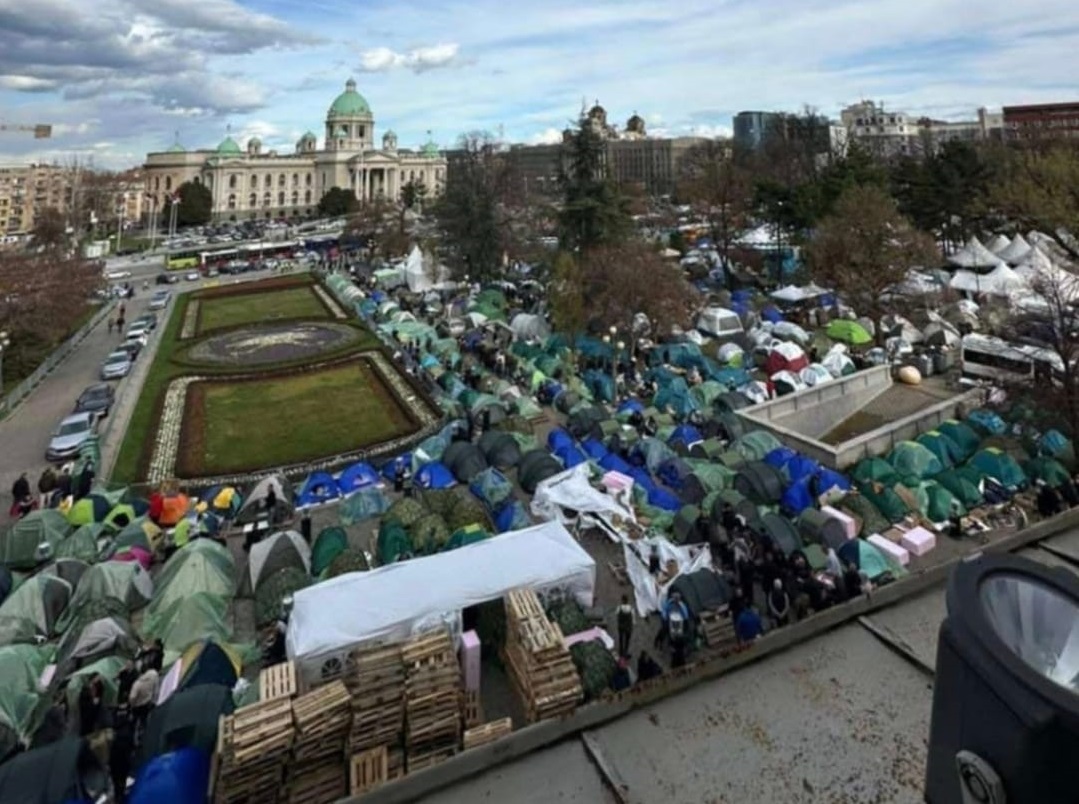
Ne mogu da ti odgovorim jer ne znam o kojim blokadama u Engleskoj i Nemačkoj govoriš. Ne znam ni kada su bile, ni koji im je bio cilj ni koliko su bile masovne. Na osnovu šturih informacija iz tvog teksta mogao bih da nađem samo sličnost sa blokadom Pionirskog parka. Učesnici te blokade su bili plaćeni.
Citat: lobera ↗
Ne mogu da ti odgovorim jer ne znam o kojim blokadama u Engleskoj i Nemačkoj govoriš. Ne znam ni kada su bile, ni koji im je bio cilj ni koliko su bile masovne. Na osnovu šturih informacija iz tvog teksta mogao bih da nađem samo sličnost sa blokadom Pionirskog parka. Učesnici te blokade su bili plaćeni.
Citat: p2699520 ↗
Očekivani komentari!
Dakle, od ostrašćenosti ne vidite suštinu. Neko je davao novac i za isti će uskoro isporučiti račun.
Da li ste spremni za njega i njegove uslove, ma kakvi bili?
Dakle, od ostrašćenosti ne vidite suštinu. Neko je davao novac i za isti će uskoro isporučiti račun.
Da li ste spremni za njega i njegove uslove, ma kakvi bili?
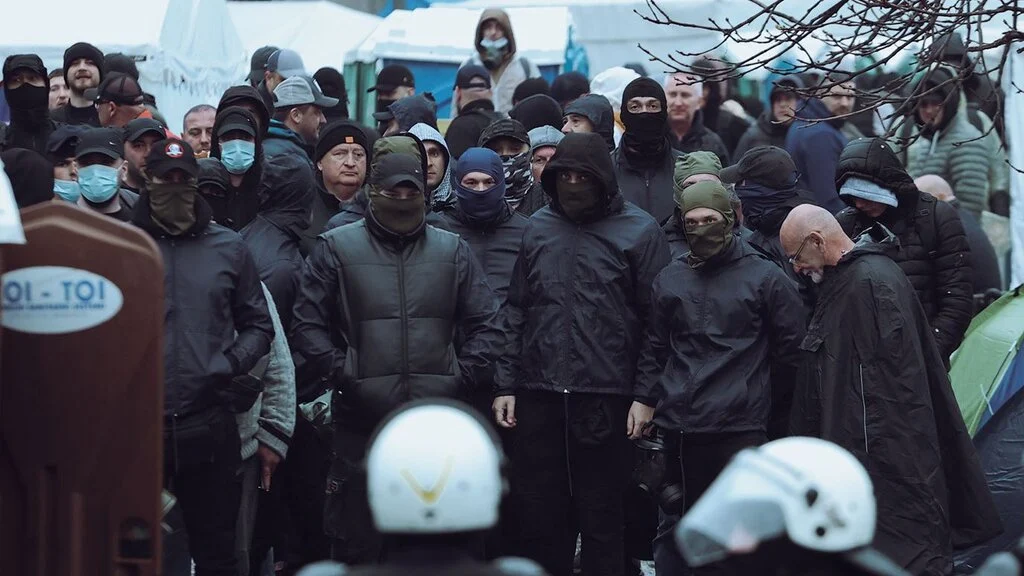
falangisti.jpg.webp
Potpis
Glup narod bira glupu vlast!
Citat: Miroslav Jeftić ↗
Bili su ubeđeni da će vladati bar još 10 godina, već su pravili planove Srbija 2035 i slično. Kad ono tamo međutim 
Potpis
Glup narod bira glupu vlast!